Introduction
Choosing the wrong auction company can cost you thousands in lost value or lead to frustrating buying experiences. With dozens of platforms competing for your business—from global giants to regional specialists—the stakes are high.
Buyer's premiums range from 10-15%, while seller's commissions run 15-35%. These fees directly impact your bottom line, making careful review comparison essential.
Navigating the overwhelming volume of online reviews and testimonials is challenging. Without a systematic approach, buyers miss critical red flags or overvalue generic praise.
This guide provides a framework for evaluating auction reviews using specific criteria, verifying claims with objective data, and making decisions based on evidence rather than marketing hype.
TLDR: Key Takeaways
- Prioritize reviews showing fee transparency and verified sale outcomes
- Watch for vague claims, suspicious patterns, and missing auction details
- Multiple review sources (Google, BBB, forums) reveal the complete picture
- Auction format knowledge (absolute vs. reserve) helps interpret feedback accurately
- Request references from sellers with similar equipment
What to Look for in Construction Equipment Auction Reviews
Specialization and Equipment Expertise
The best auction companies demonstrate deep knowledge of specific equipment categories. Reviews mentioning successful sales of excavators, dozers, cranes, or specialized machinery like drilling rigs indicate the company attracts qualified buyers for your equipment type.
Generalist platforms may struggle to reach the right audience for specialized assets.
Check for testimonials that reference specific equipment models and manufacturers. For example, reviews mentioning "sold our 2018 Cat excavator" or "successful auction of John Deere loaders" provide concrete evidence of relevant experience.
Companies serving the construction industry since 2004 or earlier have weathered multiple market cycles and understand equipment valuation specifics.
Industry connections matter significantly. Reviews praising an auctioneer's "endless contacts" or "extensive dealer network" suggest they can match your equipment with serious buyers rather than casual browsers.
These specialized networks become especially valuable when marketing equipment to global buyers.
Marketing Reach and Buyer Network
Auction success depends heavily on buyer competition. Reviews should reference the size and quality of the buyer database—companies with email lists exceeding 35,000 subscribers and international networks typically achieve better prices through increased bidding competition.
According to auction theory, increasing the number of qualified bidders leads to higher selling prices. Companies with global marketing networks reaching Australia, the Far East, Middle East, and Central America expose equipment to larger buyer pools.
This prevents assets from selling at scrap value in weak local markets.
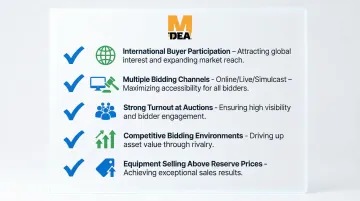
Reviews should mention:
- International buyer participation
- Multiple bidding channels (online, live, simulcast)
- Strong turnout at auctions
- Competitive bidding environments
- Equipment selling above reserve prices
Fee Transparency and Structure
Reviews discussing clear, upfront communication about costs indicate trustworthy operations. The best auction companies provide itemized fee breakdowns before contracts are signed, covering seller's commission, buyer's premium, marketing fees, storage charges, and transportation costs.
Standard fee ranges include:
- Seller's commission: 15-35% (often tiered based on sale price)
- Buyer's premium: 10-15% (added to final bid)
- Platform fees: 2-4% for online bidding
- Payment processing: 3-4% for credit card transactions
Reviews complaining about "hidden fees" or "unexpected charges" are serious red flags. Legitimate companies disclose all costs upfront and provide written agreements detailing specific terms, as required by National Auctioneers Association (NAA) Code of Ethics.
Service Completeness
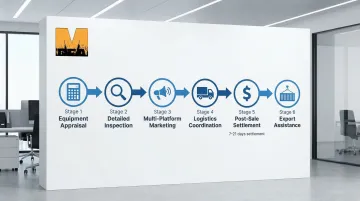
Full-service auction companies handle everything from equipment valuation through post-sale settlement. Reviews mentioning end-to-end services reduce seller burden and attract serious buyers who value professional presentation.
Key services to look for in reviews:
- Equipment appraisal and valuation using market data
- Detailed inspection reports with photos and videos
- Comprehensive marketing across multiple platforms
- Logistics coordination including freight forwarding
- Post-sale settlement within 7-21 business days
- Export assistance for international buyers
Companies offering complete services from "inspection to export" demonstrate commitment to professional operations. Reviews praising "painless and efficient" processes or "organized operations from staging through payment" indicate reliable service delivery.
Track Record and Results Verification
The most valuable reviews reference specific auction results, settlement timelines, and whether sellers received expected returns. Look for mentions of auction dates, lot numbers, or equipment categories that can be cross-checked against published results.
Industry standard settlement occurs within 14-21 days after buyer payment collection. Reviews complaining about delays beyond 30 days warrant investigation, while those praising "timely payment" and "smooth settlement" indicate reliable financial operations.
Verify company performance claims by accessing public auction results pages. Comparing sold listings against estimated values helps gauge an auctioneer's ability to accurately value and market equipment.
Key Criteria for Comparing Auction Companies
Company Reputation and Longevity
When comparing auction houses, start with track record. Companies operating since the 1960s-1970s have survived multiple economic cycles and built stable processes. Longevity signals reliability—long-standing firms have encountered and resolved a wide range of transaction issues.
Reputation verification checklist:
- Google reviews with 4.8 rating or higher (minimum 15 reviews)
- BBB accreditation with B rating or higher
- NAA or industry association memberships
- Consistent positive feedback across multiple platforms
- Documented resolution of customer complaints
BBB accreditation requires honest advertising, ownership transparency, and good-faith dispute resolution. According to consumer research, 80% prefer doing business with BBB-accredited companies, viewing the seal as a trust signal.
Platform Technology and Bidding Options
Beyond reputation, evaluate the technology platform. Reviews mentioning user-friendly online interfaces, mobile bidding capabilities, and real-time auction boards indicate technology that creates competitive bidding environments.
Modern platforms increase buyer participation by allowing contractors to bid from job sites rather than requiring physical attendance.
Technology features that drive better results include:
- Mobile-responsive interfaces and dedicated apps
- Real-time bidding with automatic bid increments
- Proxy bidding for maximum bid placement
- Live webcast options combining online and on-site bidding
- Detailed equipment listings with photos and inspection reports
Simulcast (hybrid) formats typically receive reviews praising broad buyer participation, as they combine the energy of live auctions with the convenience of online bidding. This format maximizes exposure and competition.
Geographic and Market Reach
Companies with international networks expose equipment to larger buyer pools. Reviews mentioning successful sales to overseas buyers or global marketing efforts indicate the ability to find the best market for your specific equipment.
Companies working with databases of 2+ million customers (like major auction houses) drive demand through sheer buyer volume. This matters because global exposure prevents assets from selling below market value due to weak local demand.
Reviews mentioning service areas like Australia, the Far East, Middle East, and Central America demonstrate established international logistics networks and freight forwarding partnerships.
Customer Support and Communication
Reviews mentioning responsiveness, dedicated sales representatives, and consultation on market timing indicate companies that serve as trusted advisors rather than just listing services. Good auctioneers provide strategic guidance on when to sell and which auction format to use.
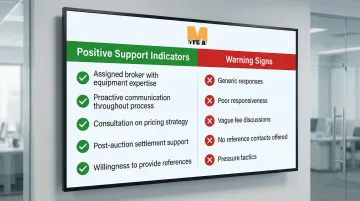
Positive support indicators in reviews:
- Assigned broker familiar with specific equipment types
- Proactive communication throughout the process
- Consultation on pricing strategy and market conditions
- Post-auction settlement support
- Willingness to provide references from past clients
Companies offering no-obligation consultations and transparent answers demonstrate confidence in their services and commitment to customer satisfaction.
Auction Format Flexibility
Reviews comparing multiple selling options indicate companies that tailor approaches to specific equipment and seller timelines. Format options include:
- Live on-site auctions: Traditional format with physical attendance
- Online-only timed auctions: Extended bidding windows (days or weeks)
- Webcast simulcast events: Combined live and online bidding
- Private treaty negotiations: Direct sales outside auction format
Flexibility allows sellers to choose the best method based on equipment type, market conditions, and urgency. Reviews mentioning format recommendations based on specific circumstances indicate consultative selling approaches.
Red Flags in Auction Reviews and How to Spot Them
Vague or Generic Language
Watch out for reviews that offer non-specific praise like "great service" or "highly recommend" without backing it up. These lack credibility because they don't provide verifiable details.
Authentic reviews typically include:
- Specific equipment types sold (excavators, dozers, trucks)
- Sale dates or auction event names
- Price ranges or percentage above/below estimates
- Particular staff members by name
- Specific process details (inspection, marketing, settlement)
Here's what the difference looks like in practice:
| Review Type | Example |
|---|---|
| Red Flag | "Great auction company, highly recommend!" |
| Authentic | "Sold our 2020 Peterbilt through their March auction. Youness provided accurate appraisal, marketing reached international buyers, and we received payment within 14 days." |
Absence of Constructive Criticism
Review profiles showing only 5-star ratings with no balanced feedback raise suspicion. Legitimate companies will have some constructive reviews about timing, communication, or process improvements.
Reasonable complaints about "reserve not met" or "as-is condition" reflect standard auction mechanics rather than company problems.
These differ significantly from complaints about non-payment, phantom bidding, or refusal to allow inspections, which indicate systemic risk.
Unverifiable Claims
Reviews claiming exceptional results without auction dates, lot numbers, or verifiable sale data cannot be cross-checked. Be skeptical of claims like "sold for 200% of estimate" without supporting evidence.
You can verify claims by:
- Searching the company's published auction results
- Requesting lot numbers and sale dates from the reviewer or company
- Cross-referencing equipment descriptions with catalog listings
- Comparing claimed sale prices against market data for similar equipment
If a company refuses to provide verifiable sale data, consider it a major red flag.
Suspicious Review Patterns
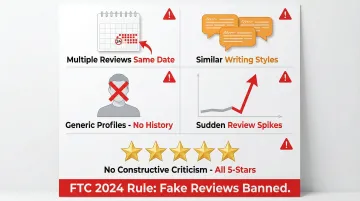
The FTC's 2024 Final Rule explicitly bans fake reviews and testimonials. Identify manipulation through:
- Multiple reviews posted on the same date
- Similar writing styles across different reviewers
- Profiles with no other review activity
- Generic reviewer names without photos
- Sudden spikes in positive reviews
Pay special attention to velocity spikes—a sudden influx of positive reviews over a short period. These often indicate coordinated campaigns to bury negative feedback. Legitimate review accumulation occurs gradually over time with natural variation in posting dates.
How to Verify Auction Review Authenticity
Cross-Reference Multiple Platforms
Don't trust a single source. Authentic auction companies maintain consistent reputations across multiple platforms, while manipulated ones show telling discrepancies.
Compare feedback across Google Business Profile, Facebook, industry forums, and the company's own testimonial page. Curated 5-star ratings on company sites paired with BBB complaints about payment delays reveal selective testimonial curation.
Platform comparison checklist:
- Google Business Profile for public, verified customer feedback
- Better Business Bureau to check complaint patterns and resolution rates
- Facebook business page reviews
- Industry forums like Heavy Equipment Forums and Contractor Talk
- Company testimonial pages (compare against independent sources)
Check Reviewer Profiles
Once you've identified platforms to check, dig into who's actually writing the reviews.
Look for these credibility markers:
- Established profiles with review history beyond a single post
- Profile photos and verified purchase badges
- Specific details: equipment models, auction dates, staff names
- Use case descriptions ("sold a 2018 Cat Excavator at their October auction" beats "great service!")
Generic profiles—think "John Smith" with no photo posting a single glowing review—raise red flags. Real B2B buyers share process specifics, not just generic praise.
Request References Directly
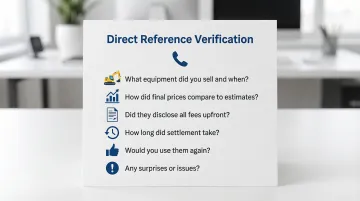
Reputable auction companies provide contact information for past sellers with similar equipment. Speaking directly with past clients provides unfiltered insights beyond written reviews.
Questions to ask references:
- What equipment did you sell and when?
- How did final prices compare to estimates?
- Did they disclose all fees upfront?
- How long did settlement take?
- Would you use them again?
- Any surprises or issues during the process?
Companies refusing to provide references or offering only carefully selected testimonials deserve skepticism.
Understanding Different Auction Formats When Reading Reviews
Absolute vs. Reserve Auctions
Absolute (no-reserve) auctions sell to the highest bidder regardless of price, guaranteeing a sale. Reviews often mention competitive bidding and fair market prices, as the guarantee of sale attracts larger bidder pools.
Reserve auctions set confidential minimum prices below which items won't sell. Reviews may discuss items not selling if minimums weren't met, which reflects standard auction mechanics rather than company failure.
When you see complaints about "reserve not met" in reviews, recognize these as operational outcomes of the reserve format itself, not service failures by the auction company.
Online-Only vs. Live vs. Simulcast Events
Each format generates distinct review patterns:
Online-only auctions:
- Extended bidding windows (days or weeks) with global reach
- Reviews emphasize platform usability and mobile experience
- Comments focus on international buyer participation
Live auctions:
- On-site experience with physical inspection opportunities
- Reviews highlight auction day atmosphere and local turnout
- Feedback centers on immediate results and in-person dynamics
Simulcast (hybrid) formats:
- Combined live and online bidding simultaneously
- Reviews praise broad participation from both audiences
- Comments note competitive bidding from on-site and remote buyers
Buyer's Premium Impact
Buyer's premiums (typically 10-15%) affect total buyer cost and may influence review sentiment.
This creates a natural divide in feedback. Buyers may complain about premiums while sellers appreciate them covering marketing costs without reducing seller proceeds. Buyer complaints about "high fees" may reference buyer's premiums, while seller satisfaction relates more to commission rates and net proceeds received.
Using Multiple Review Sources for Informed Decisions
Industry-Specific Forums and Communities
When a contractor posts "Avoid XYZ Auctions—hidden fees killed my margins," that's information you won't find in polished testimonials. Heavy equipment forums, contractor associations, and trade groups offer unfiltered auction experiences from industry peers who've been in your exact position.
Recommended forums include:
- Heavy Equipment Forums (HEF)
- Contractor Talk
- Independent Equipment Dealers Association (IEDA) discussions
- Machinery Dealers National Association (MDNA) networks
Published Auction Results Data
Beyond opinions, look at hard numbers. Review publicly available auction results showing equipment types sold, final hammer prices, and sale dates. Tools like Ritchie Bros. Price Results and EquipmentWatch provide historical pricing data for verification.
Compare sold listings against pre-auction estimates. This reveals an auctioneer's ability to accurately value and market equipment. Consistent results at or above estimates signal strong marketing reach and established buyer networks.
Direct Consultation with Auction Representatives
Data and reviews tell part of the story. Direct conversation fills in the rest. Schedule consultations with auction companies to probe their process, fees, and track record with equipment like yours.
Ask these questions during your consultation:
- What's your experience with my equipment type?
- Can you provide itemized fee breakdowns?
- What's your marketing strategy and buyer reach?
- Can you share recent auction results for similar equipment?
- What's your typical settlement timeline?
- Can you provide references from past sellers?
Hesitation or vague answers are red flags. Reputable auction houses answer these questions transparently and provide documentation to back their claims.
Frequently Asked Questions
Are online auctions trustworthy?
Yes, when you choose established platforms with verified listings, inspection reports, and secure payment systems. Look for NAA membership, BBB accreditation, and documented auction history rather than new platforms with limited track records.
What should I look for in construction equipment auction reviews?
Focus on fee transparency, settlement timelines, customer service responsiveness, and verifiable sale outcomes. Authentic reviews mention auction dates, specific staff members, equipment models, and concrete results rather than generic praise.
How can I tell if an auction company review is fake?
Red flags include vague language, suspicious posting patterns, unverifiable claims without auction dates or lot numbers, and perfect 5-star ratings without constructive feedback. Cross-reference multiple review sources and verify claims through published auction results.
What's the difference between reserve and absolute auctions?
Absolute auctions sell to the highest bidder regardless of price, guaranteeing a sale. Reserve auctions set confidential minimum prices below which items won't sell, protecting sellers from low bids but risking no-sale outcomes.
How important are buyer's premium fees when comparing auction companies?
Buyer's premiums (typically 10-15%) are paid by buyers on top of hammer prices and cover operational costs. They affect total buyer cost but don't reduce seller proceeds, making seller's commission more critical. Fee transparency matters most.
How long does it typically take to receive payment after an auction?
Industry standard settlement occurs within 7-21 business days after the auction closes, during which the company collects payments and remits net proceeds. Enhanced digital payout systems may process payments in 2-3 business days.