

Equipment valuation affects how machinery is priced, financed, insured, and sold. In practice, value is shaped by inspection quality, condition transparency, and current market demand, not just age or brand.
Valuation is therefore closely linked to process. Steps such as inspection, condition reporting, market comparison, and sale readiness directly affect how buyers assess risk and price equipment. When these steps are structured and documented, valuations are more likely to reflect true market behaviour rather than assumptions or book estimates.
In 2025, valuation accuracy has become more important as capital investment in equipment-intensive sectors continues to rise. The U.S. construction equipment market is valued at approximately USD 64.4 billion, showing how much financial exposure sits in heavy machinery and why small valuation gaps can materially affect resale and recovery outcomes.
This guide explains the main equipment valuation methods and when each should be used to arrive at realistic, market-aligned values.
Key Takeaways
Equipment valuation impacts outcomes: Accurate valuation affects auction results, financing approvals, insurance coverage, and how smoothly transactions execute.
Market demand defines real value: Buyers rely on current demand, comparable sales, and liquidity, not book value or depreciation schedules.
Condition and inspection protect valuation: Verified condition, service history, and operating data prevent late-stage discounts and renegotiation.
Purpose dictates valuation approach: Auctions, financing, insurance, audits, and acquisitions require different valuation assumptions to avoid friction.
Timing and region influence realised price: Seasonal demand, regional activity, and market cycles often shift value more than age or brand alone.
Why Equipment Valuation Matters in Business Decisions
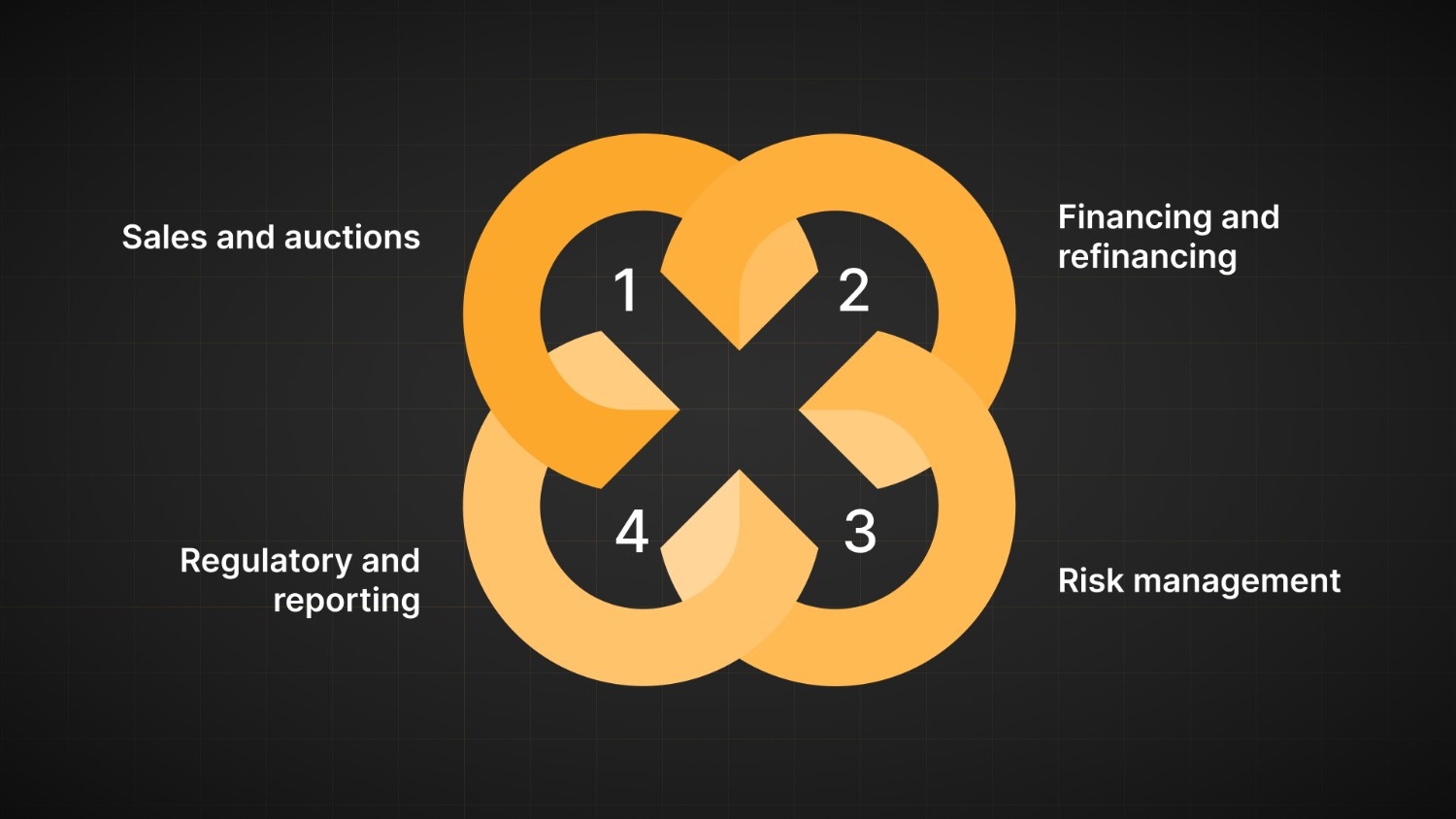
Equipment valuation sets the baseline for how transactions unfold. When valuation reflects real market conditions, outcomes are clearer and more predictable.
Sales and auctions
Supports competitive bidding and realistic price discovery
Overstated values reduce participation or leave assets unsold
Undervalued equipment sells faster but erodes recovery
Financing and refinancing
Anchors collateral assessment and loan-to-value calculations
Inflated valuations increase reassessments and approval delays
Accurate values improve financing predictability
Risk management
Overvaluation leads to renegotiation or write-downs
Undervaluation weakens leverage and negotiating position
Consistent accuracy builds transaction confidence
Regulatory and reporting
Asset values are reviewed beyond the transaction
Defensible assumptions reduce audit and compliance friction
In practice, valuation discipline influences outcomes more than timing or promotion alone.
What Is Equipment Valuation
Equipment valuation is the process of determining the defensible economic value of machinery at a specific point in time, using evidence rather than expectation.
Unlike informal estimates, valuation establishes a value range that can be justified to buyers, lenders, insurers, auditors, and regulators under defined assumptions.
Equipment Valuation vs Equipment Pricing
Although often used interchangeably, valuation and pricing serve different purposes:
Valuation identifies what equipment is reasonably worth based on data, condition, and market context
Pricing is a commercial decision influenced by urgency, negotiation strategy, and deal structure
Valuation informs pricing, but pricing does not redefine valuation
Valuation remains consistent across stakeholders, while pricing may vary by objective
Understanding this distinction helps prevent disputes when multiple parties rely on the same asset value.
Why Valuation Differs From Book Value
Book value reflects accounting treatment, not market behavior:
Depreciation schedules follow fixed timelines rather than demand
Book value does not account for buyer liquidity or resale friction
Two machines with similar book values can command very different prices in open markets
As a result, book value is rarely sufficient on its own for transaction or risk decisions.
Why Market-Based Valuation Is Often the Reference Point
Market-based valuation is commonly used as the baseline because it reflects:
Actual transaction outcomes rather than theoretical worth
Buyer willingness to pay under current conditions
How similar assets perform when exposed to real demand
Other valuation methods may support specific objectives, but market-based valuation anchors value in observable behavior rather than internal assumptions.
Key Factors That Influence Equipment Valuation
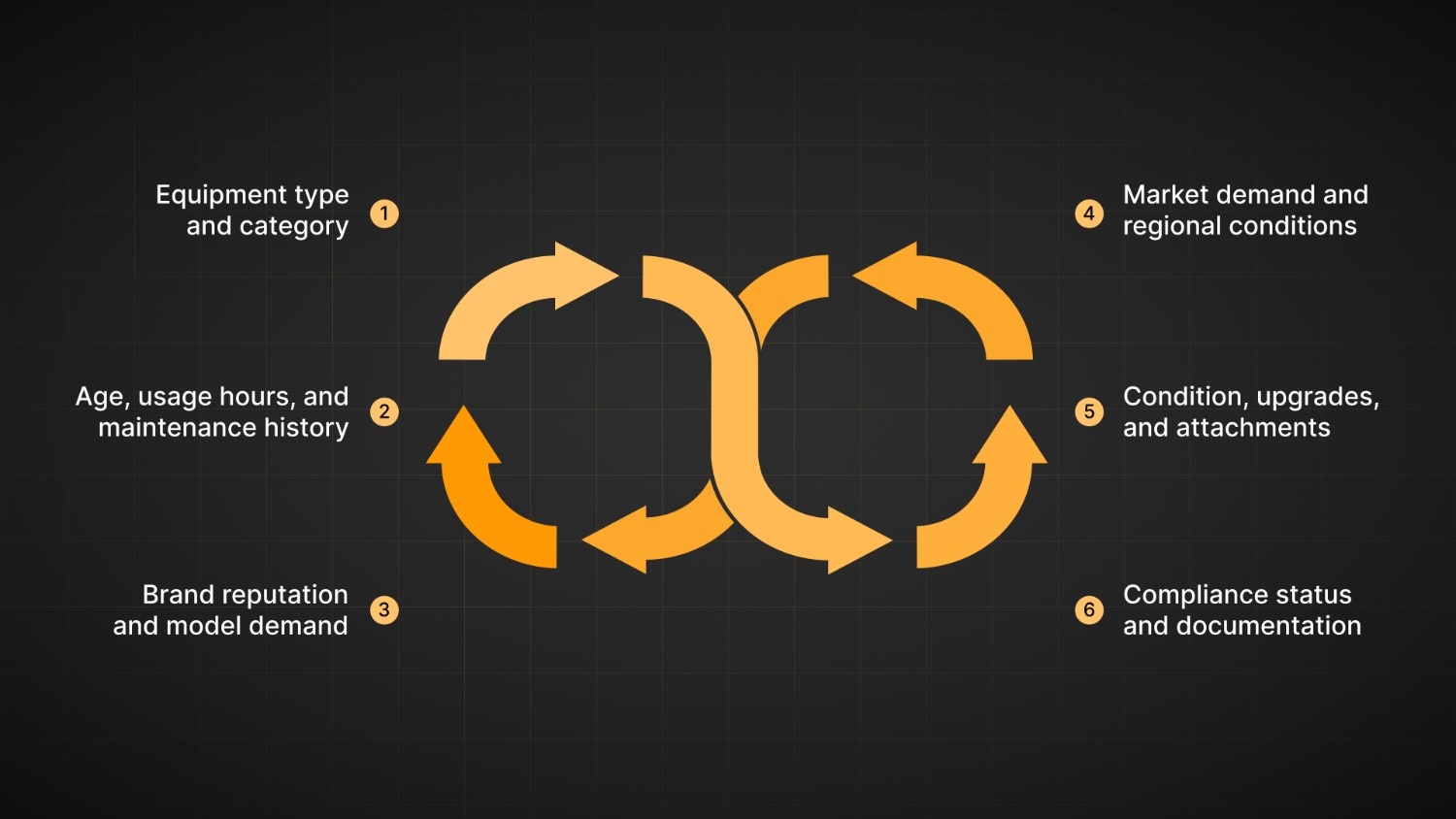
Equipment valuation is shaped by a combination of asset-specific attributes and external market forces. These factors determine how buyers assess risk, usability, and resale potential at the time of valuation.
Equipment type and category
Broad-use construction equipment retains value better than niche assets
Categories with active secondary markets convert value into liquidity faster
Age, usage hours, and maintenance history
Usage patterns often matter more than calendar age
Documented maintenance supports predictable remaining life
Missing service history increases discounting
Brand reputation and model demand
Established brands benefit from stronger buyer familiarity
High-demand models are easier to benchmark and defend
Low-adoption or discontinued models face valuation pressure
Market demand and regional conditions
Local infrastructure activity directly influences value strength
Regional oversupply compresses pricing
Strong local demand can offset higher usage or age
Condition, upgrades, and attachments
Verified condition reduces inspection-related uncertainty
Upgrades add value only when aligned with buyer needs
Attachments contribute selectively, not universally
Compliance status and documentation
Clear titles and serial verification support valuation acceptance
Compliance gaps trigger delays or value adjustments
Complete documentation strengthens defensibility
In practice, this liquidity gap is visible across commonly traded asset classes. Equipment such as excavators, wheel loaders, dozers, skid steers, and road-ready trucks typically show tighter valuation ranges due to consistent secondary-market demand. By contrast, specialised assets including drilling rigs, industrial tank trailers, generator sets, or oil field trucks often carry wider valuation spreads because buyer pools are narrower and transaction frequency is lower.
Equipment Valuation for Different Use Cases
Equipment valuation becomes necessary during specific business events such as sales, financing, insurance coverage, audits, or ownership changes. While these situations trigger the need for valuation, the valuation approach and assumptions must change based on purpose. Treating all use cases the same is where most valuation friction begins.
Auctions and liquidation
Question it answers: What value will the market realistically support right now?
Aligns valuation with buyer competition and liquidity
Supports reserve pricing that encourages participation
Reflects what equipment can convert into cash under current demand
Prioritises execution over theoretical upside
Financing and lending
Question it answers: What value can reliably support collateral risk?
Anchors loan-to-value calculations
Uses conservative assumptions to protect downside exposure
Reduces reassessments and approval delays
Focuses on recoverability rather than peak resale potential
Insurance coverage
Question it answers: What value should be protected against loss or damage?
Establishes defensible replacement or recovery values
Aligns insured value with documented condition
Reduces claim disputes caused by mismatched assumptions
Prevents over- or under-insurance exposure
Accounting and audits
Question it answers: What value can be consistently defended in reporting?
Supports compliance with accepted accounting standards
Requires documented, repeatable assumptions
Prioritises defensibility over market timing
Focuses on transparency rather than transaction readiness
Mergers and acquisitions
Question it answers: How does this equipment affect deal value and structure?
Supports due diligence and negotiation
Helps prioritise operational assets versus divestment candidates
Identifies valuation inconsistencies that may delay transactions
Reduces deal friction caused by unsupported asset values
How Condition and Inspection Affect Equipment Valuation

Condition and inspection determine whether a valuation holds up once exposed to buyers, lenders, or auditors. Even a well-supported valuation can weaken if inspection execution introduces uncertainty.
Role of physical inspection
Confirms that stated condition matches reality
Identifies issues that affect usability or remaining life
Converts assumptions into defensible evidence
Service records and operating data
Operating hours validate remaining value assumptions
Service history reduces buyer and lender uncertainty
Gaps increase perceived risk and price pressure
How inspection gaps affect outcomes
Buyers discount value to offset unknown repair risk
Lenders and insurers request reassessments
Auctions see weaker participation when details are unclear
Inspection quality determines whether valuation survives scrutiny or gets renegotiated late in the process.
Regional and Market Timing Considerations in Equipment Valuation
Equipment valuation changes based on where and when an asset enters the market. Identical machines can carry different defensible values depending on local demand, timing, and broader economic conditions.
Regional demand
Infrastructure activity drives demand for specific equipment types
Dealer density influences resale competition and pricing pressure
Proximity to end-users improves liquidity and realised value
Seasonal timing
Peak construction seasons support stronger pricing
Off-season periods reduce buyer urgency and participation
Auction timing directly affects bidder depth
Market cycles
Tight credit conditions limit buyer flexibility
Strong capital spending cycles support higher valuations
Market slowdowns widen the gap between expected and realised value
Valuation implication
Value must reflect current market behaviour, not historical performance
Timing misalignment often affects realised value more than asset condition
Common Equipment Valuation Mistakes to Avoid
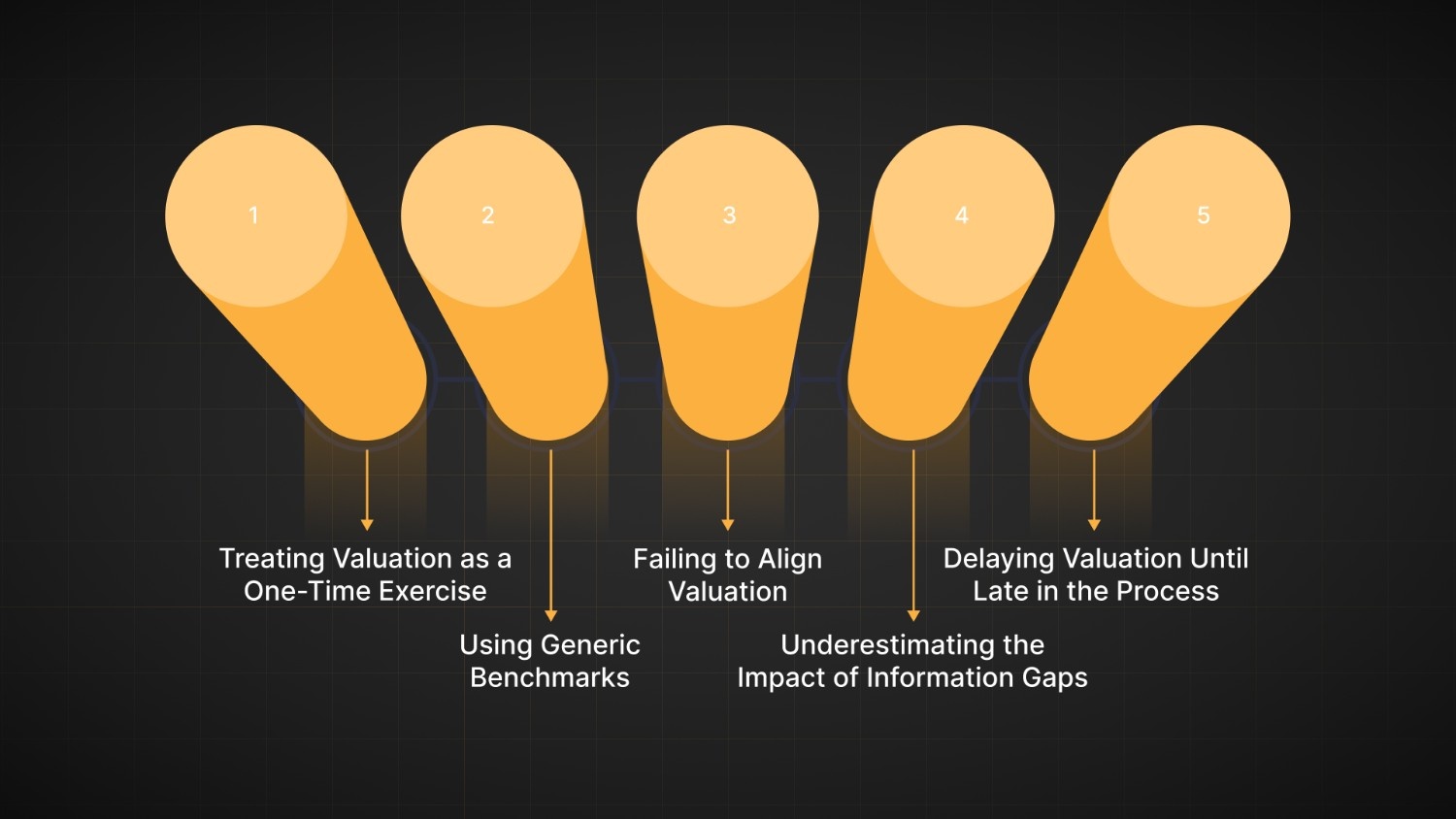
Even when the right valuation method is chosen, execution errors can undermine accuracy and credibility. These mistakes usually occur due to shortcuts, misaligned objectives, or incomplete information rather than lack of data.
Treating Valuation as a One-Time Exercise
Equipment value is often assumed to remain stable once assessed.
Market conditions, usage, and condition evolve continuously
Valuations that are not refreshed become unreliable during transactions
Stale valuations often trigger reassessments late in the process
Valuation should reflect current reality, not past assumptions.
Using Generic Benchmarks Without Context
Applying broad averages can distort value.
National benchmarks may not reflect local buyer behaviour
Category-level data can miss model-specific demand shifts
Ignoring configuration and attachments leads to misalignment
Context matters more than headline numbers.
Failing to Align Valuation With the Intended Outcome
Valuation breaks down when purpose is unclear.
Using financing-oriented values for auction decisions creates friction
Insurance-driven values may overstate resale expectations
Audit-aligned valuations may not support transaction timing
Valuation must match intent before it matches method.
Underestimating the Impact of Information Gaps
Incomplete inputs weaken defensibility.
Missing service details raise buyer and lender uncertainty
Inconsistent asset records delay validation
Assumptions replace evidence when data is unclear
Information gaps shift risk back to the seller.
Delaying Valuation Until Late in the Process
Late-stage valuation often creates avoidable disruption.
Revisions close to sale or financing slow execution
Last-minute adjustments weaken negotiating position
Timelines tighten when valuation becomes reactive
Early valuation supports smoother decision-making.
How to Choose the Right Equipment Valuation Approach
The right valuation approach depends on the business objective, not the asset alone.
Match valuation to objective
Sale and auctions require market-aligned values
Financing prioritises downside protection
Insurance and audits require consistency and documentation
Combine methods when exposure is high
Market data can be supported by cost benchmarks
Auction outcomes validate assumptions
Blended approaches reduce blind spots
Use professional evaluation for complex assets
Independent review strengthens defensibility
Structured documentation aligns stakeholders
Reduces dispute and renegotiation risk
Valuation works best when it supports the decision being made, not when it attempts to satisfy every scenario at once.
Final Thoughts
Equipment valuation is not a static exercise or a back-office formality. It is a decision tool that shapes liquidity, financing outcomes, risk exposure, and how smoothly transactions move. Valuations grounded in current market demand, verified condition, and buyer behaviour tend to hold up under scrutiny. Those based on assumptions or outdated benchmarks rarely do.
In practice, valuation works best when it is tied to execution. Inspection quality, condition transparency, market exposure, and timing determine whether a valuation remains defensible once buyers, lenders, or auditors engage. Accuracy is less about choosing a single method and more about applying the right approach for the right purpose.
This execution-led approach is reflected in how Mideast Equipment Supply operates. Serving local and international markets since 2004, the company supports valuation through inspection, category-specific market exposure, online and regional auctions, documentation, and logistics coordination. Handling a wide range of equipment types allows valuation to be informed by real buyer demand rather than theoretical pricing.
For equipment owners, contractors, dealers, and municipalities, the takeaway is simple. Valuation should reduce uncertainty, not introduce it. When grounded in market evidence and supported by process, equipment valuation protects asset value, shortens timelines, and supports confident decision-making across sales, auctions, financing, insurance, and asset planning.
FAQs
Q: How do you determine the value of equipment?
A: Equipment valuation is determined by analysing recent comparable sales, equipment condition, usage history, and current market demand. Inspection quality and regional buyer activity play a major role in final value.
Q: What is the most accurate method of equipment valuation?
A: Market-based equipment valuation is usually the most accurate because it reflects real buyer behaviour and completed transactions. Other methods are used to support specific purposes like insurance or accounting.
Q: How often should equipment be revalued?
A: Equipment should be revalued whenever market conditions, usage, or intended use changes significantly. For active sales, auctions, or financing, valuation should reflect current market data rather than past assessments.
Q: Does auction value equal market value?
A: Auction value reflects what buyers are willing to pay at a specific time and place. Market value may differ if demand, timing, or buyer reach changes.
Q: How does equipment condition affect valuation?
A: Condition directly influences buyer confidence and perceived risk during equipment valuation. Poor documentation or inspection gaps often lead to discounted values.