
Introduction
Buyers can now bid on excavators in Orlando, wheel loaders in Utah, or farm equipment in Massachusetts—all from their desktop. This shift has fueled explosive market growth, with online industrial equipment auctions projected to jump from $13.74 billion in 2025 to $32.14 billion by 2030.
The numbers reflect a fundamental change in how businesses acquire machinery: global inventory access without the travel costs or time constraints of traditional auctions.
The financial incentive is strong. Industry data shows auction prices typically run 72-76% of dealer retail prices, delivering significant savings for buyers who understand the process. However, success isn't automatic. Many first-time bidders skip equipment inspections entirely, while others underestimate shipping costs by 30-50%—mistakes that quickly erase any savings.
This guide covers platform selection, equipment inspection, strategic bidding, and post-auction logistics. You'll learn how to compete effectively whether you're a contractor seeking specific machinery or an international buyer navigating export requirements.
Key Takeaways
- Register on Proxibid or BidSpotter with verification ($100 deposit) and research auction calendars
- In-person inspection reveals hidden issues; use comparable sales data to set your maximum bid
- Plan for 25-35% above winning bid covering buyer's premium, taxes, transport, and repairs
- Timed auctions auto-extend near closing; live auctions require real-time participation
- Set firm maximums before bidding—all sales are "as-is" with limited recourse
How to Participate in Industrial Equipment Online Auctions
Step 1: Research Auction Platforms and Upcoming Sales
Identify platforms that specialize in industrial equipment. Proxibid handles over $2 billion in inventory annually and uses a five-star seller rating system where buyers evaluate customer service, description accuracy, and fee transparency.
BidSpotter offers similar features with auction alert tools that email you daily when items matching your keywords appear.
Ritchie Bros., the world's largest commercial asset auctioneer, operates globally with both timed and live formats. Their 2024 Premier Global Auction in Orlando attracted over 22,000 bidders from 80+ countries, demonstrating the international reach of online platforms.
Review auction catalogs early to:
- Identify target equipment by lot number and specifications
- Note disclosed condition issues and equipment hours
- Check seller ratings and past auction results
- Subscribe to email alerts for relevant equipment categories
Beyond catalog reviews, set up automated alerts to catch new listings. BidSpotter allows you to create "Auction Alerts" for specific keywords (such as "excavator" or "pallet jack"), ensuring you never miss relevant sales.
Many auction houses maintain email lists—Mideast Equipment Auctions, for example, reaches 35,000 buyers weekly with upcoming auction notifications.
Step 2: Complete Registration and Account Verification
Account creation requires contact details, business information (if applicable), and payment verification. Identity checks and fraud prevention measures may include submitting partial Social Security Numbers or business documentation.
Deposit requirements vary by platform:
- Proxibid often requires a $100 refundable deposit to activate bidding privileges
- Ritchie Bros. may require 25% of your desired bidding limit as a refundable deposit
- Credit card authorization holds (typically $100) verify funds before approval
Complete these requirements 24-48 hours before auction start times, as manual approval processes can delay access. Some high-value auctions require bank letters of guarantee for larger purchases.
Familiarize yourself with the bidding interface before your first auction. Understand how to place bids, set proxy maximums, and receive outbid notifications. Most platforms clearly display your status: "Winning," "Outbid," or "Approved to Bid."
Step 3: Conduct Pre-Auction Due Diligence
Equipment sells "as-is, where-is" with limited recourse for defects. Legal cases consistently affirm that buyers bear the risk of undisclosed issues.
In Jasek v. Texas Farm Bureau (2022), a buyer purchased a tractor with undisclosed clutch damage. The court ruled the seller wasn't liable because the listing came from the auction platform, not directly from the seller—emphasizing why your own inspection is critical.
Inspection checklist:
- Schedule in-person or virtual inspections when available
- Bring or hire a qualified mechanic for your equipment category
- Assess functionality, not just appearance—well-maintained equipment with worn paint often represents better value than cosmetically restored units with hidden problems
- Request maintenance records and hour meter readings
- Document any damage or concerns with photos
Research comparable sales to establish fair market value. Use services like EquipmentWatch or Machinery Pete, which track millions of transactions to establish market benchmarks. Compare recent auction results with current dealer asking prices for similar equipment, adjusting for condition and hours.
Calculate your true maximum bid by subtracting from your total budget:
- Buyer's premium (10-18% in most cases)
- Estimated transportation costs ($1-5 per mile for heavy haul)
- Applicable sales tax (unless exempt)
- Buffer for unexpected repairs (5-10% of purchase price)
Obtain financing pre-approval if needed. Specialized lenders like Ritchie Bros. Financial Services offer "bid-ready" financing with approvals often issued within 24 hours. Payment deadlines are tight—usually 24-72 hours—so having funds or financing arranged beforehand is essential.
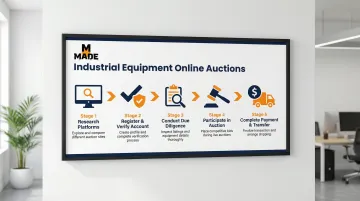
Step 4: Participate in the Auction (Timed or Live Virtual)
Timed auctions feature staggered lot closings with automatic extensions. If someone bids in the final minutes (usually the last 2 minutes), the countdown resets, adding time to prevent last-second "sniping." This soft-close mechanism mimics live auction dynamics and means you must monitor target lots actively during final hours.
Bidding increments follow a set structure. For example, Ritchie Bros. uses:
- $0-$99: $5 increments
- $1,000-$2,499: $100 increments
- $10,000-$24,999: $500 increments
- $25,000+: $1,000-$2,500 increments
Live virtual auctions broadcast traditional room-based sales online. An auctioneer calls the sale in real-time, and you compete with both onsite and online bidders via live audio/video feed. Bidding moves quickly—decisions are immediate. Join at the scheduled start time and be prepared to act fast.
Strategic bidding approaches:
- Use proxy bidding (maximum bid features) when you cannot monitor in real-time, but set these conservatively
- In timed auctions, avoid bidding too early as this reveals interest and invites competition
- In live auctions, wait for bidding to slow before entering—early aggressive bidding drives prices higher
- Stick to your predetermined maximum regardless of competitive pressure
Step 5: Complete Payment and Arrange Equipment Transfer
Winning bidders receive invoices detailing the hammer price, buyer's premium, applicable taxes, and payment deadline. Payment windows are strict:
- Proxibid: 24-48 hours standard
- Ritchie Bros.: 7 days standard
- EquipNet: 5 business days
Late payments incur penalties (often 3% of purchase price) or result in default, forfeiting your deposit and potentially banning you from future auctions.
Accepted payment methods:
- Wire transfer (preferred/required for high-value items)
- Certified checks or cashier's checks
- Company checks with bank letter of guarantee
- Credit cards (often with 3% service fee and amount caps)
After payment, obtain proof of payment and title/ownership documentation. Coordinate equipment pickup within the specified timeframe—usually 3-7 days. Missing removal deadlines results in storage fees ($25+ per day) or equipment abandonment.
For large equipment or international shipments, work with freight forwarders experienced in heavy machinery. Specialized companies handle RoRo (Roll-on/Roll-off), flat rack, and breakbulk shipping.
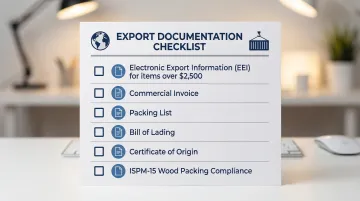
International buyers need export documentation including Commercial Invoice, Packing List, Bill of Lading, and Certificate of Origin. Electronic Export Information (EEI) is required for commodities over $2,500.
How to Succeed: Strategies for Winning Bids
Set a Firm Maximum Bid and Stick to It
Calculate your true maximum by working backwards from your total budget. Subtract buyer's premium (typically 10-18%), estimated transportation costs, taxes, and a buffer for unexpected repairs. Write down this number before the auction starts.
Research shows 82% of bidders set limits, but competitive environments trigger "auction fever." This emotional state causes bidders to exceed predetermined maximums, leading to overpaying and buyer's remorse.
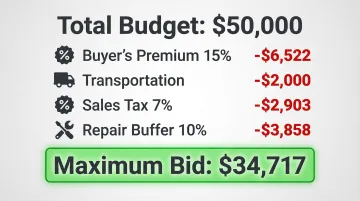
The math matters. If your total budget is $50,000:
- Subtract 15% buyer's premium: $6,522
- Subtract $2,000 transportation: $2,000
- Subtract 7% sales tax: $2,903
- Subtract 10% repair buffer: $3,858
- Your maximum bid: $34,717
Research recent comparable sales to ensure your maximum represents fair value. Auction prices typically run 72-76% of dealer retail prices. If bidding approaches retail territory, you're losing the advantage of buying at auction.
Time Your Bids Strategically
In timed auctions, avoid placing bids days in advance. Early bids reveal your interest and invite competition, potentially driving prices higher. Consider bidding in the final minutes before lot closing, though soft-close extensions will add time if others bid late.
More than 70% of items on platforms like IronPlanet receive bids before auction day through "PriorityBid" features.
Placing a maximum bid early keeps you in the lead automatically, but it also signals strong interest to other bidders monitoring the lot.
In live virtual auctions, wait for bidding to slow before entering. Early aggressive bidding creates momentum that drives prices unnecessarily high. Let other bidders establish the pace, then enter when activity decreases.
Understand Bidding Psychology and Competition
Some bidders operate emotionally or without budget constraints. Don't let their behavior influence your strategy.
Watch for these patterns:
- Consistent bidders on similar equipment: Likely dealers who have lower maximums due to resale margin requirements
- One-time bidders: Typically end users who may bid more aggressively for specific units they need
Be aware that many auctions have reserve prices, which are minimum prices below which items won't sell. If bidding stalls below market value, a reserve may prevent the sale. Some events like IronPlanet's "Weekly Featured Auctions" feature items without reserves, guaranteeing sales to the highest bidder.
Leverage Multiple Auction Opportunities
Don't focus only on a single piece of equipment. Identify 3-5 acceptable alternatives across different auctions to increase your acquisition chances. This approach reduces emotional attachment to any single lot and gives you negotiating power through options.
Track auction calendars and subscribe to email lists from multiple auction houses. Many auction houses send weekly updates to their buyer databases. For example, some platforms maintain lists of 35,000+ subscribers who receive notifications about upcoming opportunities, helping you spot the best deals across multiple sales.
Consider off-peak timing. Mid-week auctions and non-holiday periods often see lighter competition and more favorable prices than weekend or end-of-quarter sales when bidding activity peaks.
Prioritize Equipment Condition Over Cosmetics
Focus on mechanical condition, maintenance history, and functionality rather than appearance. Equipment with worn paint but solid maintenance records often delivers better long-term value than cosmetically restored units with hidden mechanical issues.
Request maintenance records, hour meter readings, and any available inspection reports.
The cost difference between assumed condition and actual condition can be substantial. Repairs easily exceed the initial 25% savings you sought at auction.
Equipment sold "as-is" leaves you responsible for all defects, disclosed or not. Thorough due diligence is your only protection against expensive surprises after purchase.

When Should You Participate in Online Equipment Auctions?
Online equipment auctions aren't always the best buying method—timing and circumstances matter significantly.
Auctions make sense when:
- You need specific equipment below retail price with budget flexibility
- Your timeline allows waiting for the right auction vs. immediate delivery
- You can assess equipment condition remotely or arrange inspections
- You accept "as-is" purchases and potential repairs
- You can handle transportation logistics and export documentation
Auctions become less advantageous when:
- You need equipment immediately—auctions plus shipping take weeks
- You require warranty coverage and dealer support
- You lack expertise to evaluate equipment condition and value
- You need financing but haven't secured pre-approval
- Dealers offer the equipment at competitive prices
Beyond situational fit, timing affects both inventory and competition.
Seasonal considerations matter. Construction equipment inventory often peaks at year-end as companies liquidate assets before closing their fiscal years. Agricultural equipment follows harvest cycles—combine values increase in November post-harvest as farmers upgrade.
Competition runs lighter during mid-week, non-holiday periods when fewer bidders participate.
What You Need Before Participating in Online Equipment Auctions
Financial Readiness
Secure financing pre-approval or confirm available funds including the full purchase price plus 25-30% additional for fees, taxes, and transportation.
Payment deadlines of 24-72 hours leave no time to arrange financing after winning.
Some auction houses offer financing options and connections to specialized equipment lenders. Ritchie Bros. Financial Services provides "bid-ready" pre-approvals often issued within 24 hours, with terms covering up to 100% of purchase price for approved customers.
Understand payment requirements:
- Accepted methods: wire transfer (preferred for high-value), certified funds, approved financing
- Payment deadlines: typically 24-72 hours from invoice
- Penalties for non-payment: forfeited deposits, liquidated damages, bans from future auctions
Equipment Knowledge and Inspection Capability
Beyond securing funds, you need expertise in evaluating your target equipment type or access to qualified inspections. Understanding acceptable wear versus damage requiring expensive repairs protects your investment. Know the fair market value range for equipment in various conditions.
Research recent sales data using services like EquipmentWatch, which tracks over twenty years of auction transactions. Compare current dealer asking prices to recent auction results.
Late 2024 data showed wheel loader inventory up 32% year-over-year with declining asking values—signaling a buyer's market for that category.
If you lack technical expertise, hire a qualified mechanic or equipment specialist to conduct inspections. The cost of a professional inspection ($200-500) is minimal compared to the potential cost of hidden mechanical issues ($5,000-50,000+).
Logistics Planning
Transportation costs significantly impact your total investment, so research them before placing bids. Obtain quotes from multiple carriers for large equipment moves.
Heavy haul cost factors:
- Standard costs: $1-5 per mile depending on distance, weight, and route complexity
- Oversized loads requiring permits cost significantly more
- Mountain routes can increase costs by 18-22%
For international buyers, understand export documentation requirements:
- Electronic Export Information (EEI) required for commodities over $2,500
- Commercial Invoice, Packing List, Bill of Lading, Certificate of Origin
- Export licenses for dual-use goods or defense articles
- ISPM-15 compliance for wood packing materials
Work with freight forwarders experienced in heavy machinery. Companies specializing in project cargo handle the complexities of international equipment shipping, including customs clearance (typically 24-48 hours but potentially longer if inspections are triggered). Mideast Equipment Auctions works with established freight forwarding companies to serve their worldwide client base spanning Australia, the Far East, Middle East, and Central America, with experience in moving equipment of any size.
Common Mistakes That Cost Bidders Money
Skipping Equipment Inspection and Condition Assessment
Bidding without inspecting equipment or reviewing detailed condition reports leads to expensive surprises. Repairs can easily exceed initial cost savings from auction purchase. Remember: equipment sells "as-is, where-is" with limited recourse.
In the Jasek v. Texas Farm Bureau case, a buyer purchased a tractor with a large hole in the clutch housing not visible in photos. The court ruled against the buyer because the seller didn't create the misleading listing directly.
This case demonstrates that even material misrepresentation may not provide recourse when buying "as-is" through third-party platforms.
Given these legal realities, your inspection is your only protection. Budget $200-500 for professional assessment if you lack technical expertise—it's cheap insurance against $10,000+ repair bills.
Underestimating Total Acquisition Costs
Bidders often focus only on the hammer price and forget to budget for:
- Buyer's premium: 10-18% (can be $1,000-10,000+ on expensive equipment)
- Sales tax: 6-10% where applicable (unless exempt with proper documentation)
- Transportation: $1-5+ per mile (easily $2,000-10,000 for long-distance heavy haul)
- Immediate repairs: 5-10% contingency for unexpected issues
A $30,000 winning bid can become a $40,000+ total cost once all fees are included. Calculate your true maximum by subtracting these costs from your total budget before bidding starts.
Winning a bid you cannot afford to complete results in lost deposits, penalty fees, and damaged buyer reputation that may prevent future auction participation.
Bidding Emotionally During Competitive Situations
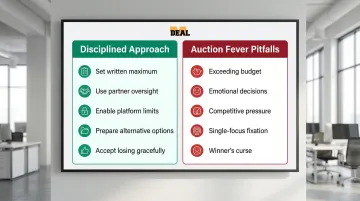
Competitive bidding environments trigger "auction fever"—an emotional state causing bidders to exceed predetermined maximums. Research shows 82% of bidders set limits, but emotional processing during dynamic auctions leads many to abandon their strategy.
This competitive pressure results in overpaying and buyer's remorse. You end up with equipment that no longer fits your budget or, worse, equipment you cannot afford to complete purchasing.
Strategies to maintain discipline:
- Write down your maximum bid and commit to walking away if exceeded
- Have a partner monitor your bidding to provide objective perspective
- Use platform maximum bid features that cannot be exceeded
- Prepare mentally to lose any single auction—alternatives always exist
- Remember that winning at the wrong price is worse than not winning at all
Failing to Read Auction-Specific Terms and Conditions
Each auction has unique rules regarding payment deadlines, pickup windows, buyer's premium percentages, dispute resolution, and "as-is" sale conditions. Missing these details can result in:
- Forfeited deposits when you miss payment deadlines
- Rushed transportation arrangements to meet removal windows
- Inability to resolve legitimate equipment issues discovered after purchase
- Unexpected fees or charges you didn't budget for
Buyer's premium structures vary significantly. Proxibid auctions may charge 14% on the first $2,000 and 6% on remaining balance, while EquipNet charges a flat 19%.
That difference on a $50,000 purchase is over $3,000.
Sales tax rules differ by jurisdiction. Some states exempt out-of-state buyers taking possession outside the state, while others charge "shipping sales tax" on out-of-state purchases. Understanding these specifics before bidding prevents budget-breaking surprises.
Frequently Asked Questions
What is the difference between timed and live virtual equipment auctions?
Timed auctions have preset closing times with automatic extensions when bids arrive near closing, allowing you to participate over hours or days. Live virtual auctions feature real-time bidding with an auctioneer at a scheduled time, requiring immediate decisions as bidding moves quickly.
How do I determine the fair market value of equipment before bidding?
Research recent comparable sales using services like EquipmentWatch or Machinery Pete, then compare dealer asking prices in your region. Adjust for condition, hours, and maintenance history. Auction prices typically run 72-76% of dealer retail for equipment in good condition.
Can I finance equipment purchased at auction?
Yes, financing is available through auction house programs, specialized equipment lenders, and traditional banks. Pre-approval is essential since payment is due within 24-72 hours. Many lenders offer "bid-ready" financing with 24-hour approvals to meet auction deadlines.
What happens if the equipment I win doesn't match the description?
Most auctions sell equipment "as-is, where-is" with limited recourse. Reputable auction houses have dispute processes for material misrepresentation, but legal precedents favor sellers. Your best protection is thorough pre-auction inspection—don't rely solely on descriptions or photos.
How much should I budget beyond the winning bid price?
Budget 25-35% above your maximum bid to cover buyer's premium (10-18%), applicable sales tax (6-10% unless exempt), transportation costs ($1-5 per mile for heavy haul), and a contingency for minor repairs or unexpected expenses. A $30,000 winning bid can easily become $40,000 total cost once all fees and logistics are included.
Do I need to be present in the US to participate in online equipment auctions?
No, international buyers can participate from anywhere with internet access. Work with auction houses experienced in international sales to handle export documentation and shipping logistics. Mideast Equipment Auctions serves clients worldwide and connects buyers with established freight forwarders for international shipments.